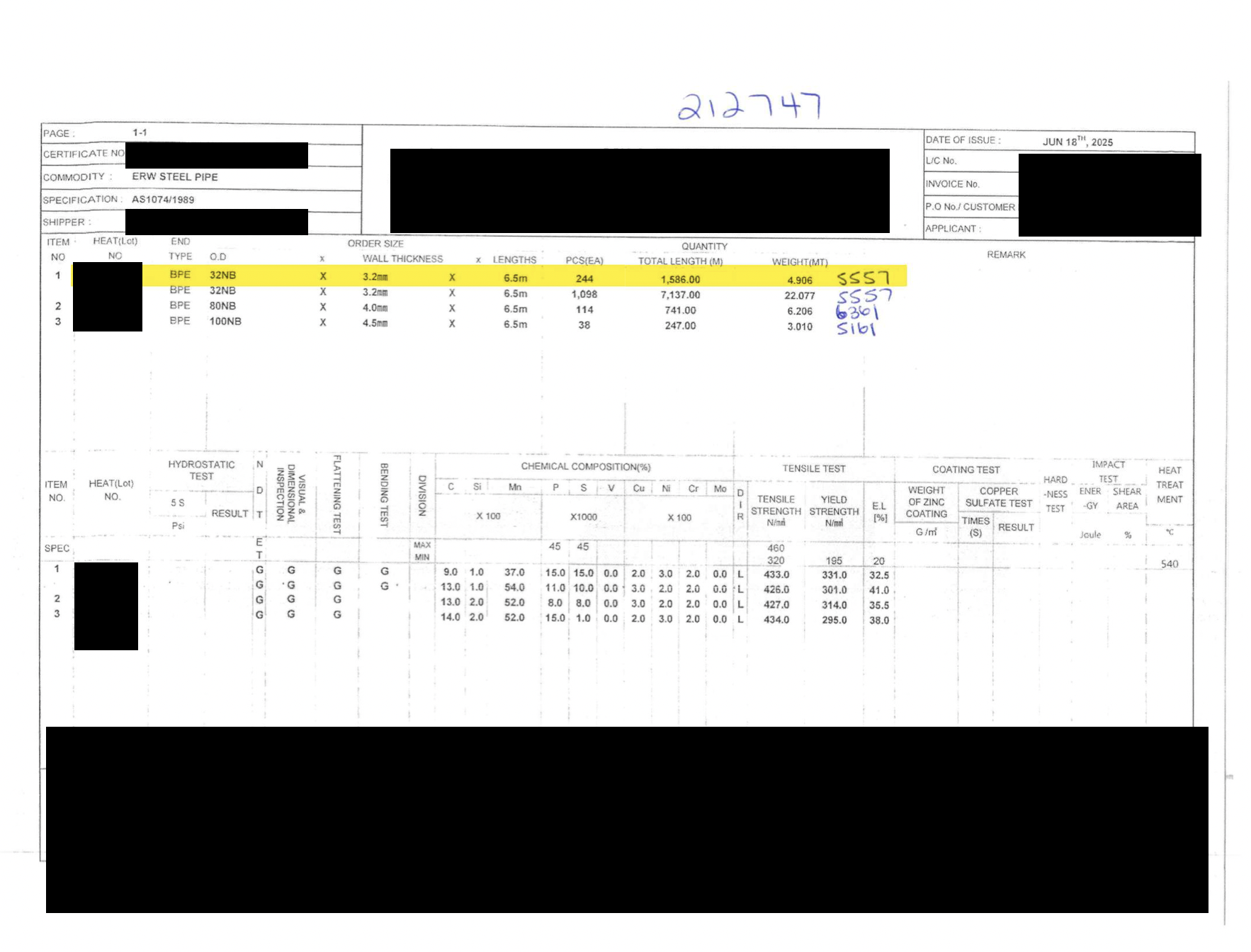
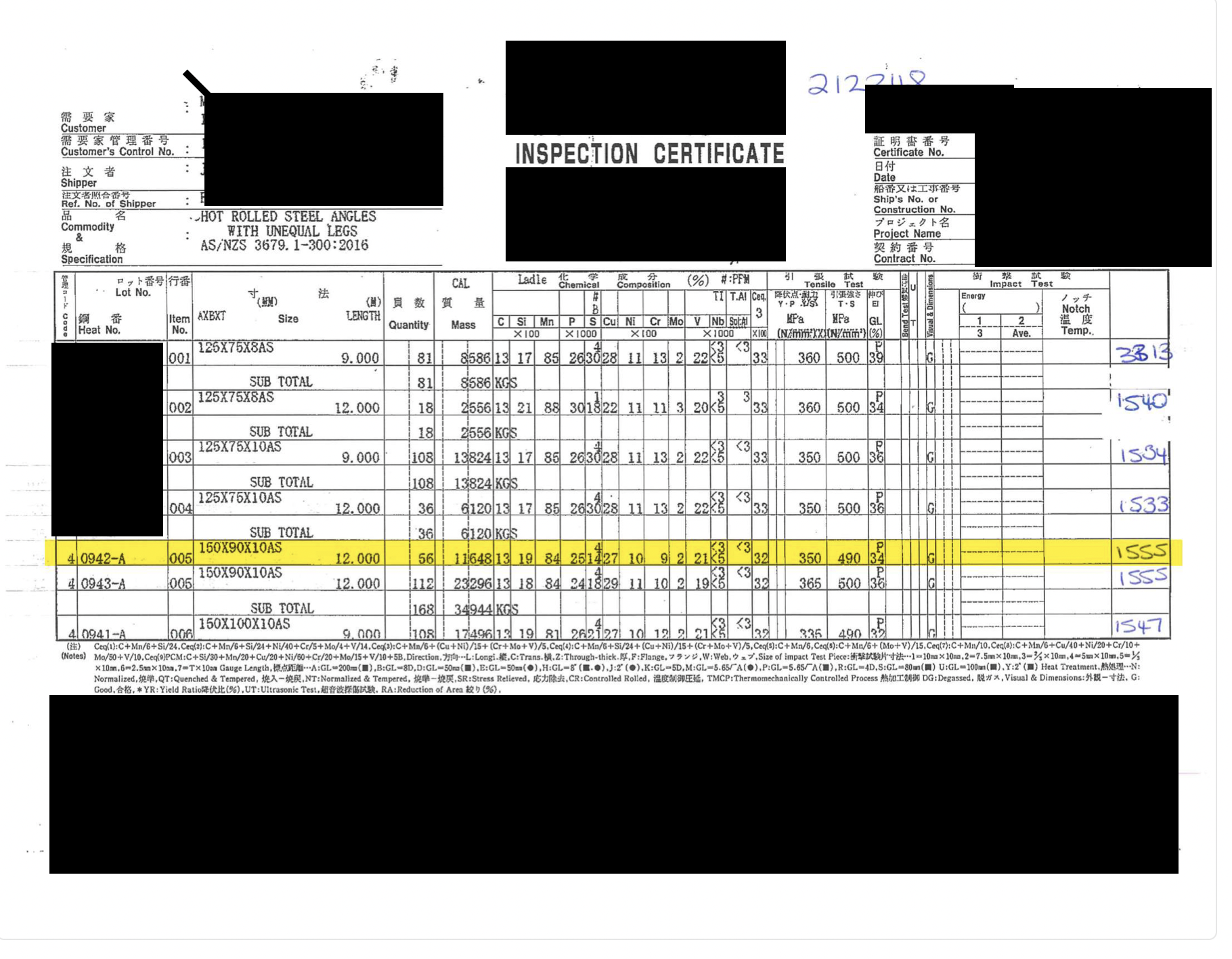
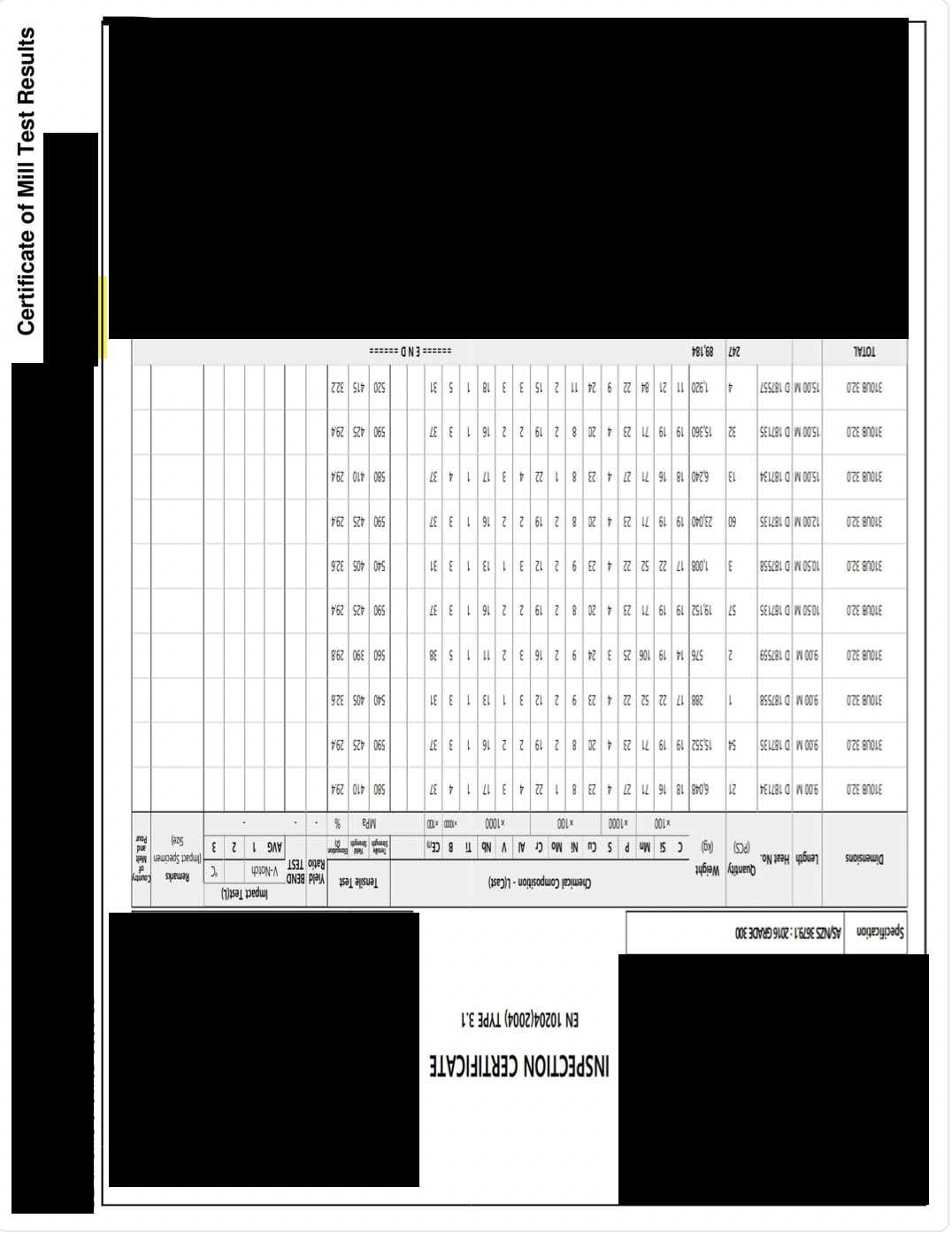
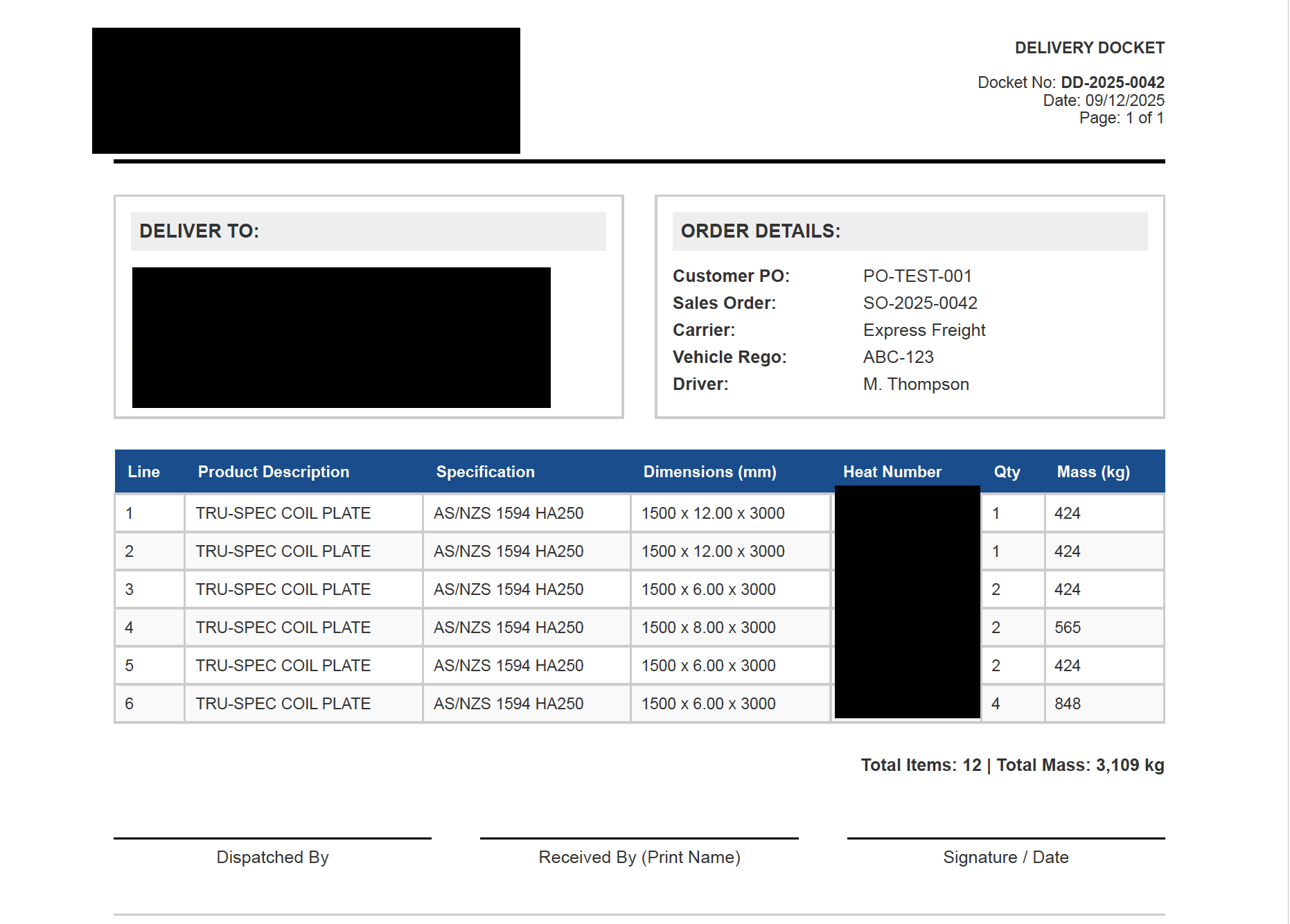
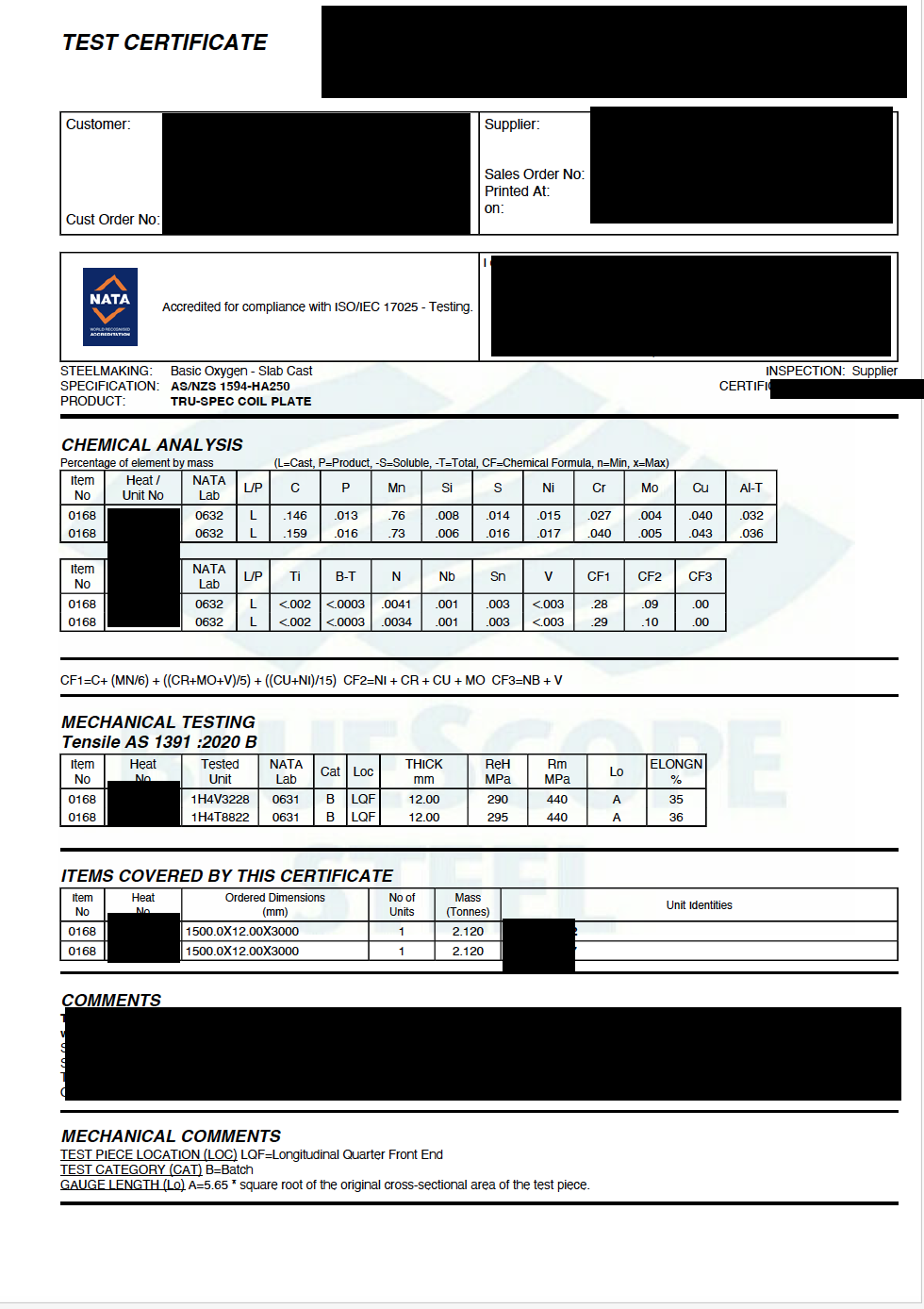
Material certificates arrive in every state imaginable: degraded scans, rotated pages, handwritten annotations, squashed into sidebars to fit additional tracking data. Critical information becomes nearly impossible to find.
Degraded scans. Upside down pages. Scribbled notes. Critical compliance data buried in chaos. The structural steel industry deserves better.
The Reality
Material certificates arrive in every state imaginable: degraded scans, rotated pages, handwritten annotations, squashed into sidebars to fit additional tracking data. Critical information becomes nearly impossible to find.
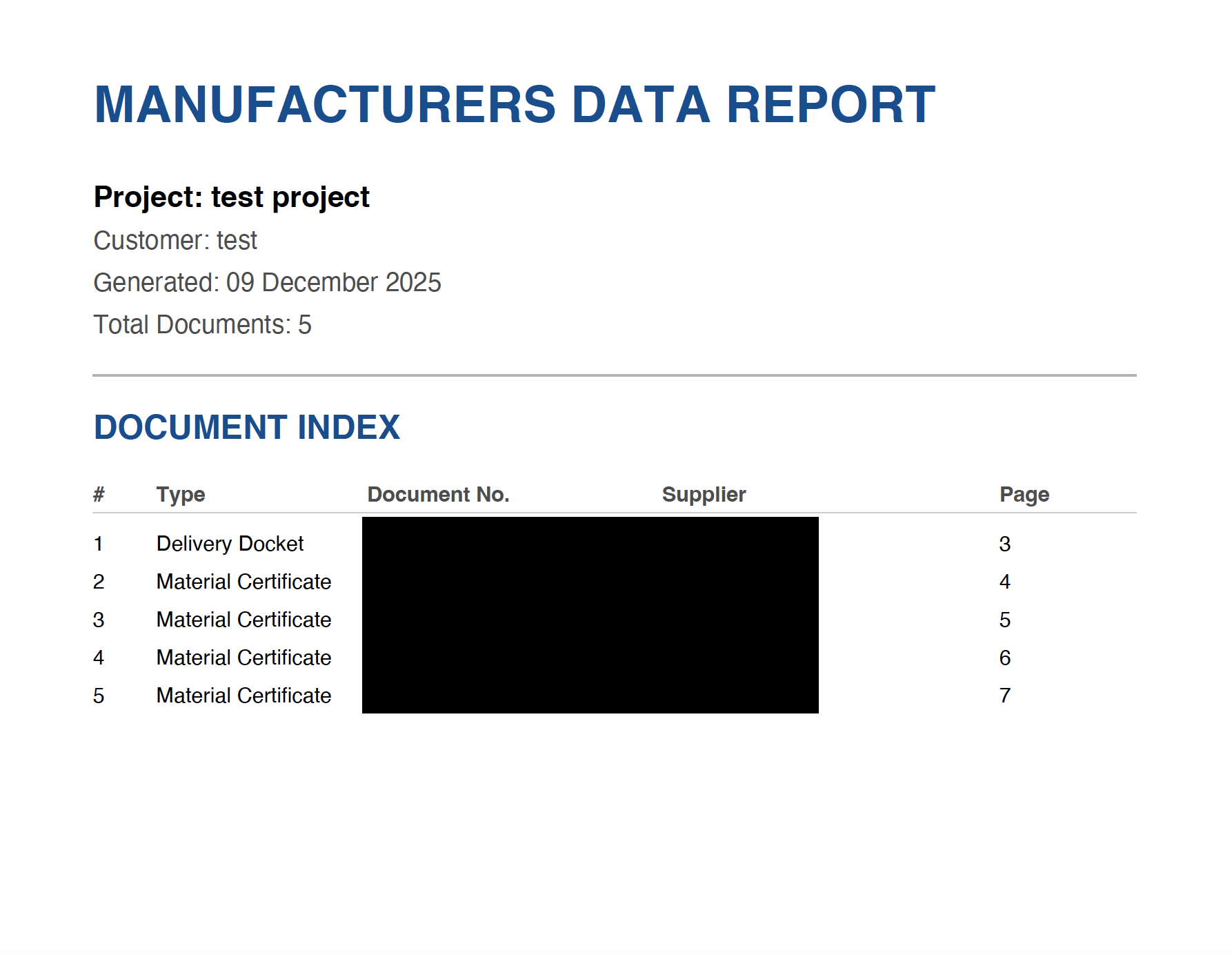
These certificates get compiled into a Manufactured Documentation Record (MDR). Now imagine checking thousands of these for compliance at project handover. What a headache.
Fabricators do their best. But the reality is they're dealing with these documents daily, in large volumes. Sometimes certificates arrive late. Sometimes packs are incomplete. Among a busy production schedule, somehow each certificate is supposed to be verified for compliance.
Hidden Complexity
For starters: what standard is the product manufactured to?
How many would know that AS1074 doesn't qualify to AS1554.1? Pipe manufactured to AS1074 is general purpose, non-structural pipe—used for water pipe or general purposes. It is not designed for structural applications. Yet it appears on certificates all the time.
Look at the example certificates above. How quickly can you verify the grade, standard, and heat numbers against project requirements? Now multiply that by hundreds of certificates.
The Supply Chain Problem
Suppliers sometimes confuse heat numbers with pack numbers or group numbers. Manually entered heat numbers contain typos. Different companies have different systems to cope.
Some manually match inventory to certificates, marking with pen and highlighter, then scanning the result. Others add side tabs with additional data—squashing the original certificate, making it difficult to read, sometimes rotating it sideways or upside down.
By the time it reaches project handover, the documentation is an amateur-looking mess. It doesn't matter how hard the quality manager tries: start with garbage, end up with garbage.
The final MDR is lucky if it's complete, nearly impossible to verify as correct, and even harder to audit. Asset owners receive documentation they can't trust. The industry knows it's a problem—but until now, there hasn't been a better way.
"The industry needs to do better. Asset owners deserve better."
A Better Future
Certified documents from the original source—the mill or accredited laboratory—stored in a repository with critical information preserved and indexed.
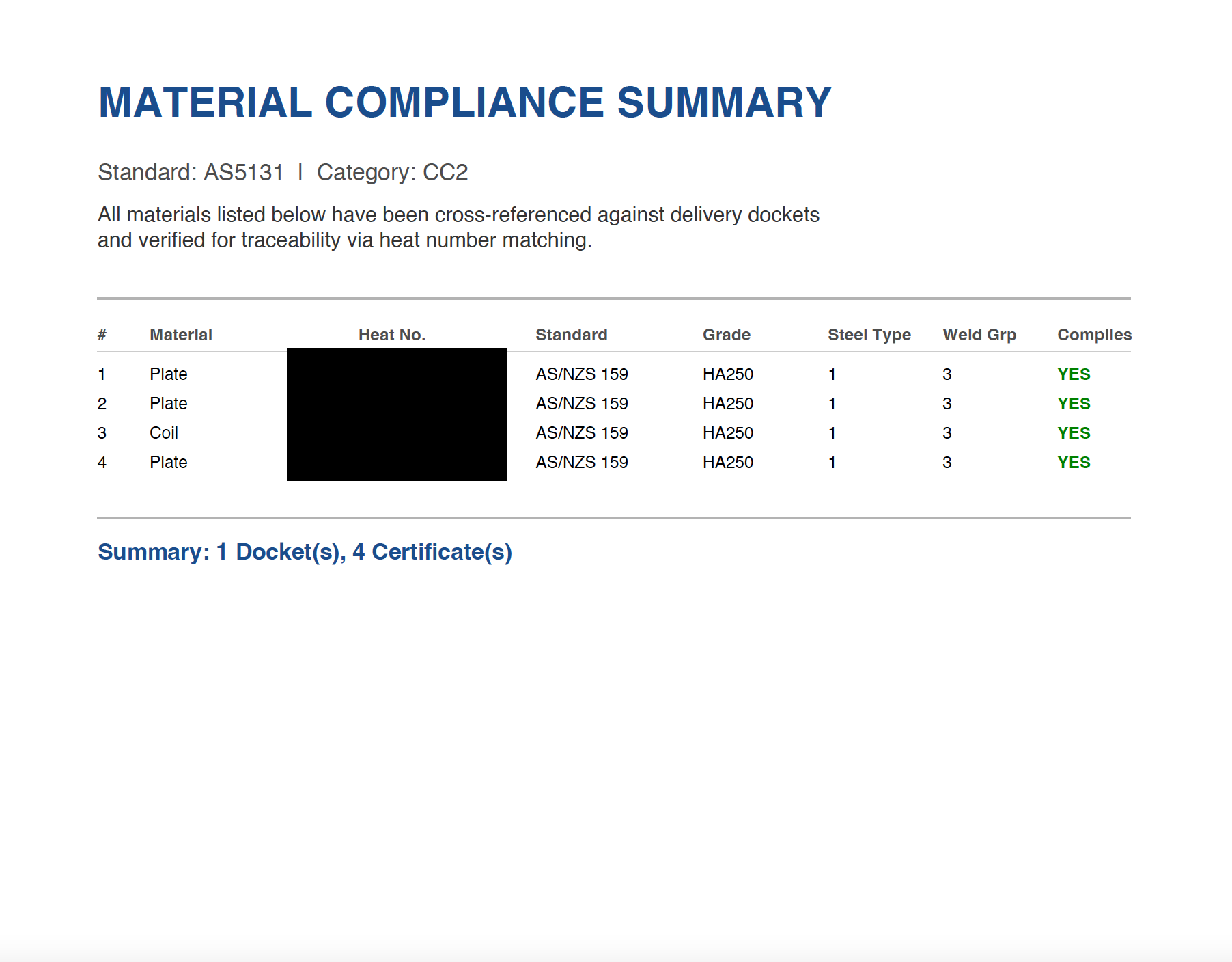
Every document indexed, every heat number verified, every compliance requirement checked. Generated automatically from original source certificates—not degraded scans passed through the supply chain.
Certificates captured directly from mills and laboratories, before degradation through the supply chain.
Each link in the chain can access and reference certificates, documenting what material and heat numbers they handled.
Fabricators receive documentation packs generated from original certificates, matched to the products used on each job.
Asset owners receive indexed, clean, and verifiable records of exactly what's contained in their structure.
We're working with fabricators and asset owners to build material traceability that actually works.
Get in Touch